

We work with children exhibiting emotional and behavioural difficulties in education. This often includes SEN and undiagnosed neurodiversity.
We know that helping children to cope through one-to-one mentoring, small group support and easy to understand coping strategies can make the difference to them staying in mainstream education. We have a history of success.
Development Should be Inclusive.
Life is intimidating for young people.
“I believe in young people. I don’t believe that anyone is intrinsically good or not good. Mainstream education is more suited to some children. We have to teach our children how to cope and adapt to their surroundings. We can nurture that resilience.”
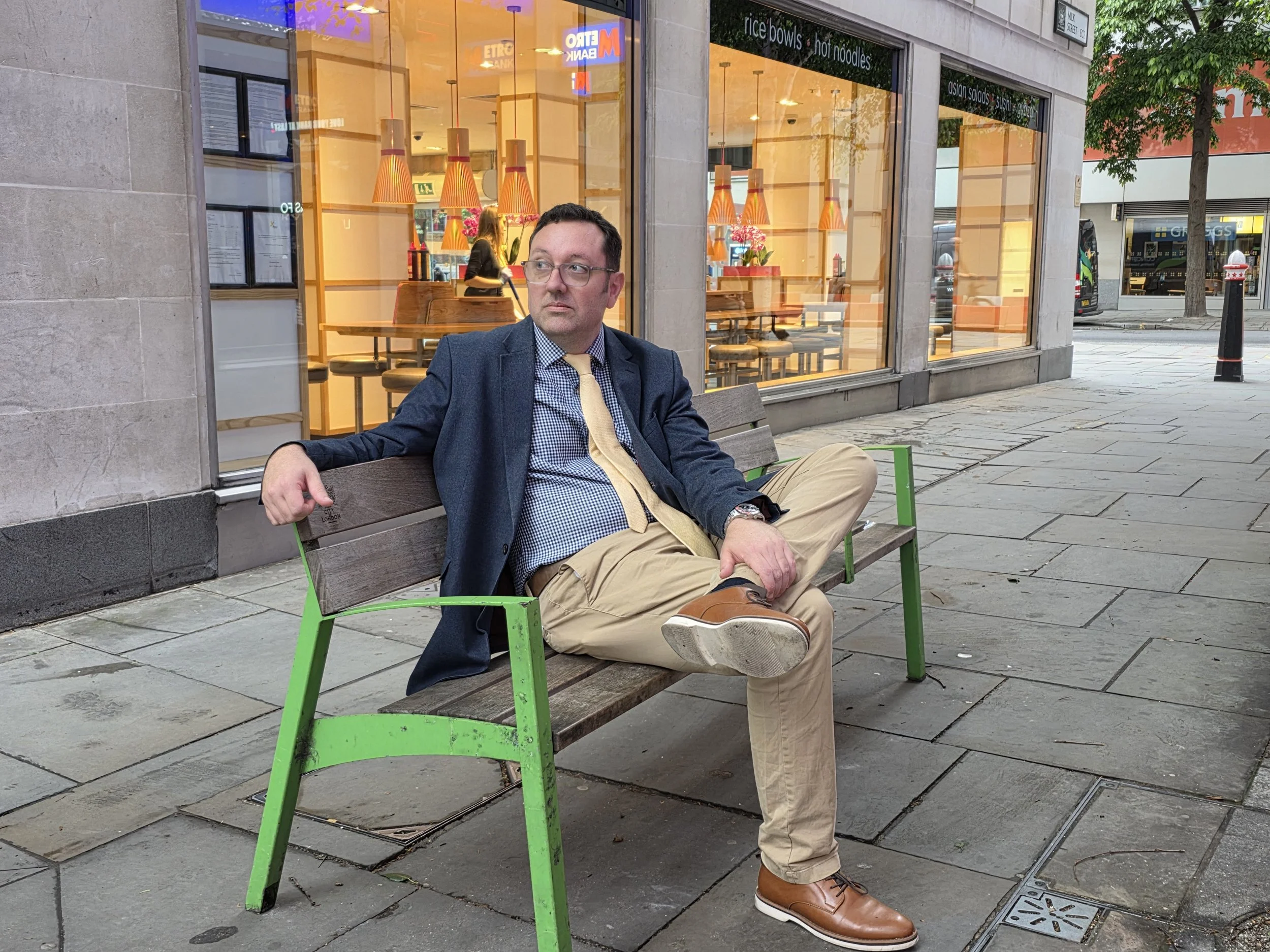
Phil Priestley is a former police officer who founded Inclusive Development in 2019. It is motivated by a need to make children feel included, connected to their goals and ambitions, and to promote their success in mainstream education.
Your Questions, Answered
Where do you work?
We usually work inside schools - both at Primary and Secondary level - on a one day per week basis. We visit our client schools and operate with a cohort of children that they designate for our support. These are usually the children and young people who are finding it hard to cope and might be at risk of exiting mainstream education or being subject to a managed move to another school (expulsion or permanent exclusion).
What do you do?
We work with the child or young person one-to-one to understand the world that they live in. We help them to express their fears and frustrations, and we gain insight and understanding into why their behaviour is dysfunctional or why their coping methods don’t work. We then help them to establish a greater degree of self appreciation and self awareness, we begin to rebuild self-esteem, and we teach fundamental coping strategies that are more appropriate to their surroundings.
What are the benefits?
There are so many benefits! A child that is excluded from mainstream eduction is twice as vulnerable to the risk of violent offending within 12 months of their exclusion. Government data shows that nearly 60% of all children permanently excluded will be later cautioned or convicted of a criminal offence. Helping a child to successfully stay in school protects them from the trauma and rejection of expulsion and promotes their ability to find a positive career path.
Inside school disruptive students become manageable. Teachers feel more supportive because they can contact us and we can find strategies that work for that child inside their classroom.
At home children become more communicative with parents and less prone to emotional melt-downs. We help to develop nurture strategies that enhance parent/child relationships - having an additional benefit for siblings.
We have helped to identify unseen SEND issues that lead to diagnosis and treatment for life-long support. We have EHCP knowledge and expertise that can bring additional resources to the aid of the child.
Let's Work Together
If you are a headteacher, or the lead for your school on behaviour and inclusion - speak to us about how we can help. It begins with this form. Get in touch for a no-obligation chat that can be organised online or in person.